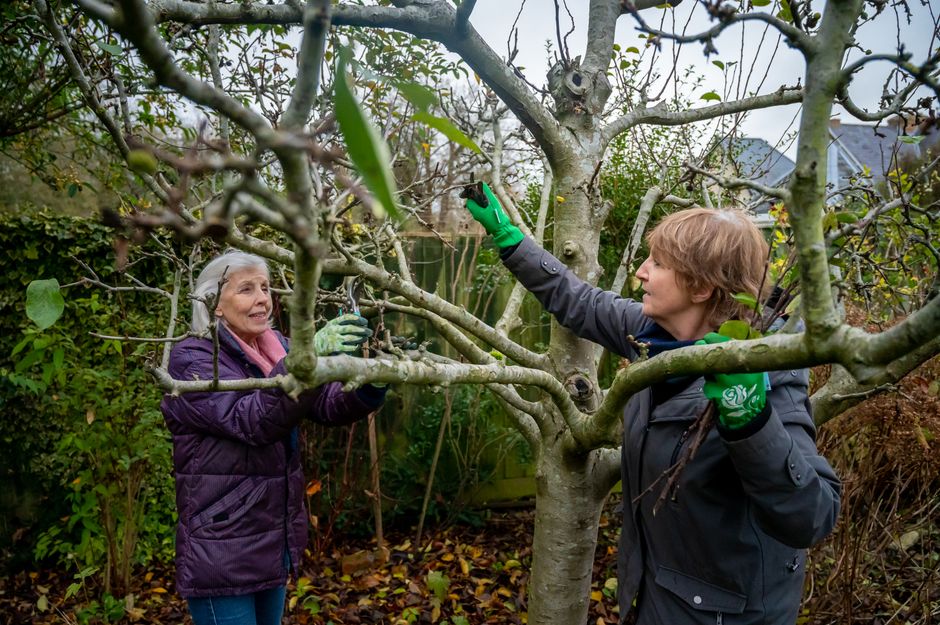
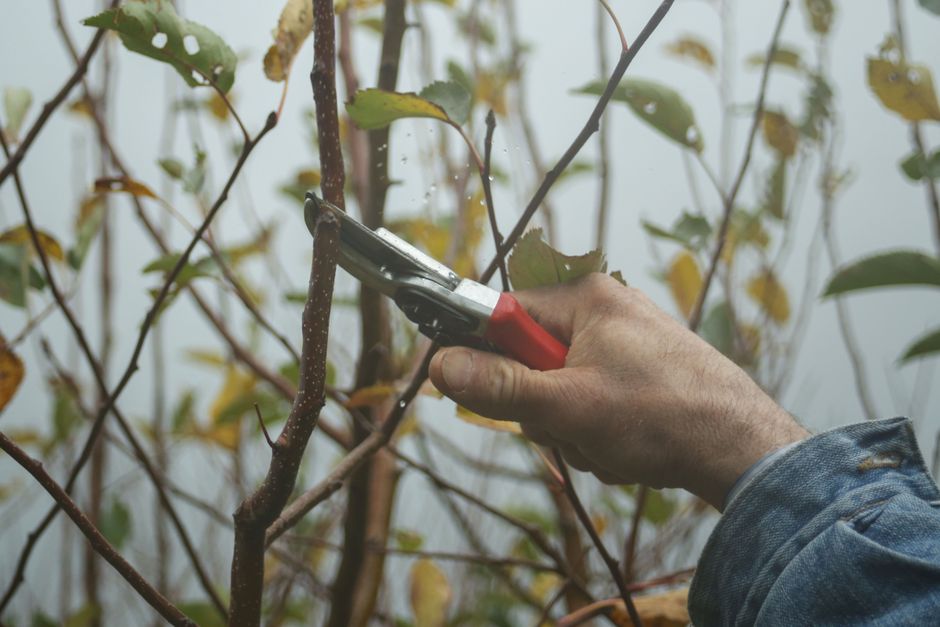
Seasonal pruning checklist for UK gardeners
Pruning can feel simple on paper: snip, shape, tidy, done. In a British garden, though, the timing matters just as much as the cut itself. A good seasonal pruning checklist for UK gardeners helps you work with the weather, the plant's growth cycle, and the very real quirks of our climate. One week it's mild and wet; the next there's frost on the lawn and everyone's wondering where spring went.
This guide walks you through what to prune, when to prune it, and what to leave well alone. It is written for real gardens, not perfect ones. Front borders, hedges that got away from you, roses that need a proper haircut, fruit trees that keep sulking after a heavy trim-yes, all of that. You'll get a clear seasonal plan, a practical checklist, and a few judgement calls that save you from the classic mistakes.
If you want a neat garden that grows back healthy rather than hacked, you're in the right place.
Why Seasonal pruning checklist for UK gardeners Matters
Pruning is not just about keeping things tidy. Done at the right time, it helps plants flower better, fruit better, and stay healthier for longer. Done at the wrong time, you can cut away next season's buds, encourage weak regrowth, or leave a plant vulnerable to disease and winter damage. That's why a seasonal approach matters so much in UK gardens, where the weather can be damp, cold, windy, and unpredictable all in the same week. Lovely, really.
Here's the key idea: different plants respond differently to pruning, and the season changes how they heal. In late winter, many deciduous plants are dormant, so structural pruning is easier to see and manage. In spring, new growth is tender and some shrubs should be left until after flowering. In summer, light shaping and deadheading can keep things in order without stressing the plant. In autumn, the focus shifts to reducing wind damage, clearing away weak growth, and preparing the garden for the colder months ahead.
There's also a practical side. A good checklist stops you from wandering outside with secateurs and pruning whatever happens to annoy you that day. We've all been there. You start with a rose, then spot a hedge, then notice the apple tree and somehow end up with three jobs and a bin bag full of mixed cuttings. A seasonal plan keeps that under control.
How Seasonal pruning checklist for UK gardeners Works
The easiest way to think about pruning is by plant type and season, not just by month. The year in the UK is split less by neat calendar boundaries and more by weather windows. A warm February can trick plants into waking up early; a cold April can delay everything. So the checklist below uses season as the main guide, but you should always look at the plant in front of you as well.
In practice, seasonal pruning works like this:
- Winter pruning is for many dormant deciduous shrubs, climbers, roses, fruit trees, and overgrown structural growth.
- Spring pruning is generally light and selective, especially for spring-flowering shrubs that have just finished blooming.
- Summer pruning is often about control, shaping, and removing spent growth without stimulating too much soft regrowth.
- Autumn pruning is usually kept conservative, because fresh cuts can be vulnerable to frost and disease in colder, wetter weather.
The checklist also depends on whether the plant flowers on old wood or new wood. That phrase sounds fussy, but it matters. Old wood means the plant set its flower buds on last year's growth. Prune it at the wrong time and you lose the show. New wood means flowers are produced on current-season growth, so pruning can often be more generous in late winter or early spring. Once you understand that, half the mystery disappears.
And if you're unsure? Start small. Remove dead, damaged, diseased, or crossing branches first. That alone improves airflow and reduces problems. The rest can wait a week while you think it through.
Key Benefits and Practical Advantages
A well-timed pruning routine does more than make things look neat. It changes how the whole garden behaves. Healthier growth, better flowering, stronger structure-those are the obvious wins. But there are a few less glamorous benefits that often matter just as much.
- Better plant health: Pruning improves airflow through the canopy, which can reduce the kind of damp, crowded conditions that encourage fungal issues.
- Cleaner shape and stronger structure: This is especially useful for hedges, young trees, and shrubs that need a balanced framework.
- More flowers and fruit: Timing pruning correctly can direct energy into productive growth rather than weak, tangled shoots.
- Safer garden maintenance: Removing dead or unstable branches lowers the chance of breakage in wind or snow.
- Less work later: A little seasonal trimming is easier than one huge rescue job in late summer when everything has run wild.
There's also a visual advantage. A garden that's pruned with intention looks calmer. Even a small terrace garden feels more settled when the lines are clean and the plants are working with each other rather than fighting for space. You notice it most on damp mornings, when the light is low and the framework of the garden stands out.
Expert summary: Good pruning is not about removing as much as possible. It is about removing the right growth at the right time, so the plant can respond well and the garden stays manageable.
Who This Is For and When It Makes Sense
This checklist is for anyone managing a UK garden, whether you're tending a small patch in London, a suburban back garden, or a larger plot that seems to create chores overnight. If you have hedges, roses, fruit trees, shrubs, climbers, or ornamental grasses, seasonal pruning will help. So will this guide if you're taking over a garden from scratch and want to avoid doing the wrong thing in the first year.
It makes particular sense if you:
- want more flowers and better plant shape without overcomplicating the job;
- have inherited an overgrown garden and need a sensible reset;
- prefer regular maintenance rather than major cut-backs;
- share garden duties and need a clear plan for what to do each season;
- want to reduce plant stress in wet, windy, or frosty conditions.
It's also useful for homeowners who bring in help from a gardener or arrange wider garden maintenance. A good pruning plan makes it easier to brief someone properly and avoids that awkward moment where one person thinks "tidy up" means a light trim and another thinks it means a full reset. Slightly different interpretations, to say the least.
If you have large hedges or mature trees, the timing matters even more. In those cases, pruning may need to be coordinated with other work such as hedge trimming or, where necessary, a qualified tree surgeon for heavier work.
Step-by-Step Guidance
Here is a practical seasonal pruning routine you can actually use. Not theory. A proper working checklist.
1. Start with the plant, not the calendar
Before you cut anything, identify what you're pruning. A rose, a buddleia, a wisteria, and a fruit tree all play by different rules. If the plant flowers on old wood, heavy winter pruning may remove the buds you wanted. If it flowers on new growth, pruning at the wrong time may leave it leggy or thin. Check the plant's habit first, then the season.
2. Remove the obvious problem growth
Whatever the month, start with dead, diseased, damaged, and crossing branches. These are the cleanest cuts and often the most useful. Crossing branches rub in the wind. Damaged wood invites problems. Diseased material should be cut back to healthy tissue where possible. If a branch looks questionable, don't be brave for the sake of it. Be sensible.
3. Work from the outside in
Look at the overall shape before you start clipping tips. Ask yourself: is this plant trying to spread too wide, grow too tall, or become congested in the middle? Shape the plant gradually. A little from each area is usually better than taking a huge chunk from one side and hoping for the best.
4. Make season-specific cuts
Here is the broad seasonal pattern for many common UK garden plants:
- Late winter: prune many deciduous shrubs, some climbers, roses, apple and pear trees, and overgrown hedges once hard frost is less likely.
- Spring: prune spring-flowering shrubs after they bloom, and keep other cuts light while nesting season and new growth are underway.
- Summer: trim hedges lightly, deadhead perennials, and shape fast growers before they become unruly.
- Autumn: keep pruning minimal; focus on cleaning up broken or hazardous growth and preparing plants for winter.
5. Check for nesting birds before major hedge work
This is especially relevant in the UK. Before cutting hedges hard in spring or early summer, take a proper look for nests. If in doubt, leave it. There's no prize for being the person who clipped a hedge and discovered a nest two minutes later. Better to pause and come back.
6. Finish with cleanup and aftercare
Collect cuttings, tidy the base of the plant, and water if the soil is dry after pruning. Some plants may benefit from a light mulch or feed later in the season, depending on their needs. For larger amounts of green waste, a garden clearance service can save you a lot of wheelbarrow trips, especially after a big reset.
Expert Tips for Better Results
Good pruning is partly about timing, partly about observation, and partly about holding your nerve. A few small habits make a big difference.
- Prune on a dry day if possible. Wet conditions make it harder to see what you're doing, and cuts can stay damp longer.
- Use sharp, clean tools. Ragged cuts heal less neatly and dull blades make the whole job feel harder than it should.
- Step back often. Every few cuts, look at the plant from a distance. It's amazing how fast you can overdo it when you're focused on one branch.
- Prioritise structure over perfection. A slightly uneven shrub is fine. A stressed shrub you overcut is not.
- Match the pruning style to the plant's purpose. A formal hedge wants crisp edges. A flowering shrub wants balance and airflow. A fruit tree wants a strong framework with open light.
One useful trick is to mark your thinking by season. In winter, ask: what needs structure? In spring, ask: what has just flowered? In summer, ask: what is getting too heavy or too leggy? In autumn, ask: what should be left alone until spring? Simple questions, but they save a lot of guesswork.
If you're maintaining a larger outdoor space, pairing pruning with other seasonal work such as grass cutting, jet washing, or patio cleaning can make the whole garden feel under control again. Not glamorous, perhaps, but very satisfying on a Saturday morning.
Common Mistakes to Avoid
Most pruning mistakes are fixable, but they do set plants back. The biggest errors are usually made with good intentions, which is a bit annoying if we're honest.
- Pruning at the wrong time: This is the classic mistake. Spring-flowering shrubs cut in winter often lose their display, while some hedges cut too late may become vulnerable to frost.
- Taking off too much at once: Hard pruning can be useful for some species, but not as a reflex. If in doubt, reduce gradually.
- Shearing everything into the same shape: That works for some hedges, not for every shrub. A blanket approach usually gives a bland result and can harm flowering.
- Ignoring plant type: A rose is not a laurel, and a fruit tree is not a box hedge. Different plants need different treatment. Obvious, perhaps, but people still do it.
- Leaving stubs: Poor cuts leave dead ends that invite disease and look untidy.
- Pruning in freezing weather: Fresh cuts can be damaged by frost, especially on tender growth.
- Not cleaning tools between jobs: This matters if you've cut diseased material. A quick clean can reduce the risk of spreading problems.
There is also the overconfidence trap: making one brave cut and then deciding the whole plant needs "doing properly" in the same session. Maybe it does. Maybe it doesn't. Pause for a minute. Have a cup of tea. Come back with fresh eyes.
Tools, Resources and Recommendations
You do not need a van full of equipment to prune well. You do, however, need a few reliable basics. Cheap tools can work for a while, but once blades are blunt, every job becomes more awkward than it should be.
| Tool | Best for | Useful notes |
|---|---|---|
| Bypass secateurs | Small stems, roses, soft growth | Best for clean cuts on living wood |
| Loppers | Thicker branches you cannot cut by hand | Good for leverage and reach |
| Pruning saw | Mature branches and woody stems | Helpful for awkward or larger cuts |
| Hedge trimmer | Formal hedges and repeated shaping | Useful for routine trimming, not everything |
| Gloves and eye protection | General safety | Especially useful with thorny plants or debris |
For larger jobs, some gardeners prefer to bring in professional help rather than wrestle with ladders and woody stems themselves. A gardening services provider can handle regular care, while a specialist tree cutting service is often the safer choice for substantial tree work. If you're looking at a full refresh, garden services can include pruning alongside wider tidying and maintenance.
One practical note: keep tools clean and dry. A wipe-down after use, plus sharpening when needed, goes a long way. It's boring maintenance, yes, but so is replacing rusty secateurs every year. Nobody wants that.
Law, Compliance, Standards, or Best Practice
Pruning in the UK is not usually a heavily regulated activity for a typical private garden, but there are still important best-practice points to follow. If your garden has mature trees, conservation protections, boundary hedges, or nesting wildlife, take extra care before you cut.
For everyday domestic pruning, the main things to think about are:
- Wildlife protection: Avoid disturbing active bird nests. If nesting birds are present, leave the area until it is safe to continue.
- Neighbour boundaries: If you are pruning a hedge on or near a boundary, be considerate about access, dropped debris, and shared maintenance responsibilities.
- Safety: Use appropriate equipment, especially for work at height or with heavy limbs.
- Tree work: Larger trees can require more care than a simple home tidy-up. If a tree is unstable, too large for safe handling, or structurally compromised, professional assessment is the sensible route.
- Waste handling: Green waste should be disposed of responsibly. Composting small amounts may be fine, but larger volumes often need collection or a proper green-waste solution.
Good practice also means not pruning purely for neatness if the plant is about to flower or is already under stress. That restraint is part of being a good gardener, really. You leave some things alone because the plant needs it, not because you've run out of time. Which, admittedly, happens too.
Options, Methods, or Comparison Table
Not every plant should be pruned in the same way. The method should suit the goal. If you want flowers, that's one approach. If you want privacy, that's another. If you need safety or clearance, that's different again.
| Method | Best used for | Pros | Watch-outs |
|---|---|---|---|
| Selective pruning | Most shrubs, roses, climbers | Maintains natural shape and reduces stress | Takes more thought than a quick trim |
| Heading back | Some vigorous shrubs and young growth | Encourages bushier growth | Can produce dense regrowth if overdone |
| Thinning | Older shrubs and trees | Improves light and airflow | Easy to remove the wrong branch if you rush |
| Shearing | Formal hedges and topiary | Gives a crisp finish | Not suitable for all plants, especially flowering shrubs |
| Hard renovation pruning | Neglected or overgrown specimens | Can revive some plants | Not appropriate for every species; timing matters a lot |
If you're unsure which approach fits your garden, it can help to think about the end result first. Do you want more flowers, a denser hedge, a safer tree canopy, or just less chaos? Once the aim is clear, the method usually follows.
Case Study or Real-World Example
A fairly typical example: a small London back garden with a mature laurel hedge, an old apple tree, two climbing roses, and a couple of mixed shrubs that had been left to their own devices for a season or two. Nothing dramatic, just the usual "we'll sort it later" situation that turns into a jungle by midsummer.
In late winter, the hedge was lightly reduced and shaped, with deadwood removed and the line made neater. The apple tree was thinned rather than heavily shortened, opening the centre to light and air. The roses were cut back to strong outward-facing buds, and the shrubs were checked for dead or crossing stems rather than hacked into identical shapes.
By early summer, the difference was obvious. The hedge held its form better, the roses produced cleaner growth, and the apple tree was easier to maintain. More importantly, the garden stopped feeling like a set of separate problems and started feeling like one coherent space again. Not perfect, but steady. That's often the real win.
What mattered most was timing. The work wasn't rushed all at once. It was spread across the seasons, which made the garden easier to manage and kinder to the plants.
Practical Checklist
Use this as your seasonal pruning checklist for UK gardeners. Keep it simple and work through it step by step.
- Identify the plant and confirm whether it flowers on old wood or new wood.
- Check the season and the current weather forecast before you start.
- Look for dead, damaged, diseased, or crossing branches first.
- Decide whether the job is a light trim, selective prune, or structural cut-back.
- Check for nests in hedges and shrubs during the bird breeding season.
- Use clean, sharp tools suited to the thickness of the growth.
- Make cuts just above a healthy bud or branch junction where appropriate.
- Step back regularly to assess shape and balance.
- Avoid removing too much at once unless the plant clearly tolerates it.
- Collect cuttings and clear the area to reduce clutter and pest hiding spots.
- Water and mulch if the plant is dry or newly exposed after pruning.
- Note what you pruned and when, so you can learn from the result next year.
Seasonal reminder: in late winter and early spring, focus on dormant structural work; in summer, keep cuts lighter and more controlled; in autumn, prune only when necessary and avoid stimulating tender new growth before frost.
Conclusion
A sensible pruning routine is one of the easiest ways to keep a UK garden healthy, manageable, and visually calm. The trick is not to prune more. It is to prune with timing, purpose, and a bit of patience. Once you understand the rhythm of the seasons, the whole job becomes less intimidating and a lot more rewarding.
Use the checklist, trust what the plant is telling you, and leave room for weather, wildlife, and common sense. That combination goes a long way. And if you're standing in the garden wondering whether to cut or wait, waiting is often the wiser move.
If you want help planning seasonal garden work or need support with bigger maintenance tasks, take a look at the services available and choose the level of help that fits your space and schedule.
Get a free quote today and see how much you can save.
Frequently Asked Questions
When is the best time to prune in the UK?
It depends on the plant. Many deciduous shrubs and fruit trees are pruned in late winter, while spring-flowering shrubs are usually pruned after flowering. Summer is good for light shaping, and autumn is generally kept minimal unless there is damaged or hazardous growth.
Can I prune hedges all year round?
Not usually. Light trimming can be done in the growing season, but stronger hedge work should avoid nesting bird season and very cold weather where possible. The exact timing depends on the hedge species and how formal you want it to look.
What should I prune in winter?
Winter is often used for dormant pruning on many deciduous shrubs, roses, apple and pear trees, and some hedges. It is a good time to see the plant's structure clearly, as long as hard frost is not making the work risky.
What should I not prune in spring?
Spring-flowering shrubs should not usually be pruned before they bloom, because you may remove the flower buds. Also avoid heavy pruning if the plant is actively pushing soft new growth and looks stressed by cold or dry conditions.
How much should I cut off when pruning?
There is no single rule. For many plants, removing dead, damaged, or crossing growth is the first step, then trimming back a manageable amount to shape the plant. If you're unsure, take less rather than more. You can always go back.
Do I need different tools for different pruning jobs?
Yes. Secateurs are best for small stems, loppers for thicker branches, and a pruning saw for woody growth. Using the right tool makes cleaner cuts and reduces strain, which is handy when the job turns bigger than expected.
Is it okay to prune in wet weather?
It's possible, but not ideal. Wet conditions make the work less comfortable and can make it harder to see what you're doing. Dry days are usually better for both accuracy and aftercare.
Should I prune shrubs hard to make them smaller?
Sometimes, but not always. Some shrubs tolerate renovation pruning well, while others react badly to severe cuts. It is better to research the plant first or reduce it gradually if you're not sure. A hard cut is not a magic fix.
What if my garden has overgrown plants I don't recognise?
Start carefully. Remove only dead or damaged material at first and try to identify the plant before doing major cuts. If it's a mature tree or a large woody shrub and you're uncertain, professional advice is usually the safer route.
Can pruning help with plant disease?
It can help by removing infected material and improving airflow, but it is not a cure-all. Clean tools, sensible timing, and proper disposal of diseased cuttings all matter. If a plant keeps recurring with problems, the cause may be broader than pruning alone.
What is the biggest pruning mistake UK gardeners make?
The biggest one is probably timing. People often prune based on convenience rather than the plant's growth cycle. That's how spring flowers get cut off and hedges get clipped at awkward times. A seasonal checklist prevents that, which is the whole point really.
When should I call a professional instead of doing it myself?
If the work involves large trees, dangerous access, heavy limbs, suspected instability, or a hedge or shrub that needs a major reset, it makes sense to bring in help. You can save time, avoid injury, and protect the plant if the job needs a steadier hand.
How do I know if I've pruned too much?
If the plant looks bare, unbalanced, or has lost most of its natural framework, you may have taken off too much. A little stress is normal after pruning, but severe overcutting can reduce flowering and weaken regrowth. Best move: leave it alone and let it recover.
What should I do with the cuttings?
Small, healthy cuttings can often be composted if your system handles woody material well. Larger volumes, diseased growth, or awkward branches usually need bagging, composting elsewhere, or proper green-waste disposal. A tidy finish is part of good pruning.