Insurance and Safety for Hedge Trimming Services
 Overview: Professional hedge trimming and hedge maintenance require more than skill with shears ??? they demand a structured approach to insurance, staff competence and site safety. Whether delivering routine hedge cutting, seasonal hedge pruning or specialised hedge care, responsible companies prioritise documented safety processes. This page outlines the key protections and practices that underpin safe hedge services, from comprehensive public liability insurance to on-site risk assessments and personal protective equipment.
Public liability insurance is the cornerstone of any credible hedge cutting business. A robust policy provides financial protection if property damage, injury to a third party or accidental harm occurs during a job. For hedge service providers, public liability typically covers claims arising from falling branches, damage to walls or vehicles, and accidental injury to pedestrians or neighbours. Clients should expect contractors to carry adequate coverage limits and to be prepared to present policy details when requested.
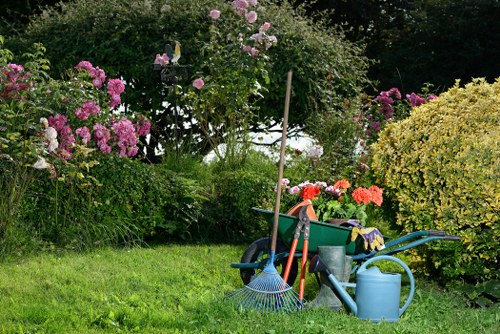 Insurance specifics matter: policies should be tailored to hedge trimming and related grounds maintenance activities. Insurers will consider risk controls such as safe access equipment, staff training records and documented maintenance of tools. A clear insurance package often includes employers' liability cover for staff, indemnity for subcontractors and, where applicable, environmental liability for chemical treatments used in hedge care. Retaining copies of certificates and policy summaries on-site is best practice.
Staff Training, Competence and Supervision
Well-trained teams reduce incidents. Effective staff training programs for hedge cutting crews combine classroom instruction with supervised practical experience. Training topics include equipment operation (petrol and electric trimmers, pole saws), safe ladder and mobile access use, traffic management rules when working near roads, and awareness of obscured hazards such as hidden fences, wires or wildlife nests. Employers should maintain individual competence records and schedule periodic refresher sessions.![A garden scene featuring a woman with short blonde hair and two young children, all seated on a well-maintained grassy lawn in front of a wooden deck. The woman is engaged in planting or tending to potted flowers, with one child on her left holding a purple flowering plant and the other on her right with pink flowers. Behind them, there is a flower bed with a mix of colorful blooms, including yellow and pink flowers, bordered by lush green foliage. The surface of the lawn is even, with visible patches of rich soil adjacent to the flower beds. The wooden deck is visible in the background, with outdoor steps leading down to the garden area. The scene suggests a bright, clear day with natural daylight illuminating the outdoor space, highlighting the vibrant colors and textures of the flowers, grass, and wooden features, supporting gardening or landscaping services focused on garden maintenance and plant care in the local area near [POSTCODE] or [TOWN].](/pub/_photos/gardening/f1380696064.jpg) Certification and ongoing assessment: Achieving an initial qualification is only part of competence. Regular toolbox talks, competence assessments and direct supervision ensure that crew members apply safe methods consistently. Supervisors should conduct pre-start briefings covering the day???s tasks, weather considerations and emergency response plans. Emphasising risk awareness and encouraging staff to report near-misses helps create a learning culture that prevents repeat incidents.
Certification and ongoing assessment: Achieving an initial qualification is only part of competence. Regular toolbox talks, competence assessments and direct supervision ensure that crew members apply safe methods consistently. Supervisors should conduct pre-start briefings covering the day???s tasks, weather considerations and emergency response plans. Emphasising risk awareness and encouraging staff to report near-misses helps create a learning culture that prevents repeat incidents.
Personal protective equipment (PPE) is an essential line of defense for hedge maintenance teams. Standard PPE for hedge pruning and hedge cutting tasks includes:
- Cut-resistant gloves and arm protection to reduce laceration risk.
- Eye protection such as safety goggles or face visors to stop flying debris.
- Hearing protection for use with noisy powered equipment.
- High-visibility clothing when working near roads and robust footwear with ankle support.
- Head protection where overhead risks exist and respiratory protection when cutting dusty material.
Risk Assessment Process for Hedge Work
Systematic risk assessment is the backbone of safe hedge services. Prior to beginning any hedge pruning project, a competent person should undertake a site survey to identify hazards, assess risks and specify control measures. Typical steps include: identifying living hazards (birds, bats, protected species), locating services (electric lines, cables), evaluating access requirements, and determining appropriate exclusion zones to protect the public.![A young woman in a light yellow top, wide-brimmed sun hat, and pink gardening gloves is kneeling in a well-maintained garden, surrounded by various flowering plants with vibrant pink, yellow, and red blooms. She is holding small garden tools, including a hand rake and trowel, and appears to be engaged in planting or tending to the flower beds. The garden features a lush green lawn in the foreground, bordered by a mix of flower beds and shrubs, with mature trees and dense foliage providing a natural backdrop. The setting is bathed in natural sunlight, indicating a bright, clear day, with the overall scene suggesting active outdoor gardening activity typical of professional or enthusiast landscapers in the UK, possibly in a residential garden in a town or suburban area close to [POSTCODE] or [TOWN]. The refined arrangement of plants and the healthy, vibrant appearance of the flowers highlight attentive garden care consistent with services offered by companies like Hedge Trimming, focusing on lawn and garden maintenance alongside hedge trimming and landscape upkeep.](/pub/_photos/gardening/f1395354888.jpg) Actionable controls must be documented. Controls can range from using appropriate access platforms instead of ladders, to temporary road signage and cordons, to deploying traffic management where the hedge abuts a highway. Where chemical treatments are part of hedge care, follow COSHH-like procedures (Control of Substances Hazardous to Health) and include safe storage, handling and disposal measures. Emergency procedures, including first aid arrangements and a designated on-site lead, should be clearly recorded.
Actionable controls must be documented. Controls can range from using appropriate access platforms instead of ladders, to temporary road signage and cordons, to deploying traffic management where the hedge abuts a highway. Where chemical treatments are part of hedge care, follow COSHH-like procedures (Control of Substances Hazardous to Health) and include safe storage, handling and disposal measures. Emergency procedures, including first aid arrangements and a designated on-site lead, should be clearly recorded.
![An outdoor garden scene featuring a section of dark, freshly turned soil bordered by a variety of colourful flowering plants, including pink, yellow, purple, and red flowers, arranged along the edge of a wooden deck. The decking area is partially visible with garden tools such as a trowel, watering can, garden gloves, and a small flower pot placed on it. To the side, a large straw sun hat with a purple ribbon rests on the deck. The setting suggests a well-maintained garden space suitable for gardening and outdoor maintenance activities, with natural daylight illuminating the scene, typical for a residential area in the UK, such as Hedge Trimming's service area around [POSTCODE] or [TOWN].](/pub/_photos/gardening/f1463697408.jpg) Record-keeping and continuous improvement are vital. Maintain written risk assessments, method statements and incident logs for each job. Regular audits, post-job reviews and analysis of near-misses drive safer hedging practices and demonstrate due diligence to insurers and clients. In summary, effective hedge trimming safety combines adequate public liability insurance, structured staff training, appropriate PPE and a thorough, actionable risk assessment process ??? together these elements form a resilient framework for delivering safe and professional hedge services.
Record-keeping and continuous improvement are vital. Maintain written risk assessments, method statements and incident logs for each job. Regular audits, post-job reviews and analysis of near-misses drive safer hedging practices and demonstrate due diligence to insurers and clients. In summary, effective hedge trimming safety combines adequate public liability insurance, structured staff training, appropriate PPE and a thorough, actionable risk assessment process ??? together these elements form a resilient framework for delivering safe and professional hedge services.